What is a supplier? Types, differences from distributors and how to choose one
28 Oktyabr 2026·Updated: ·⏱ ≈5 min·👁 145 views
Contents
- What is a supplier?
- What is the difference between a supplier, manufacturer and distributor?
- What types of supplier are there?
- What is a supply chain?
- How to find a supplier in Azerbaijan
- How to choose the right supplier
- What should a supplier contract include?
- Common mistakes when working with suppliers
- Conclusion
- Frequently asked questions
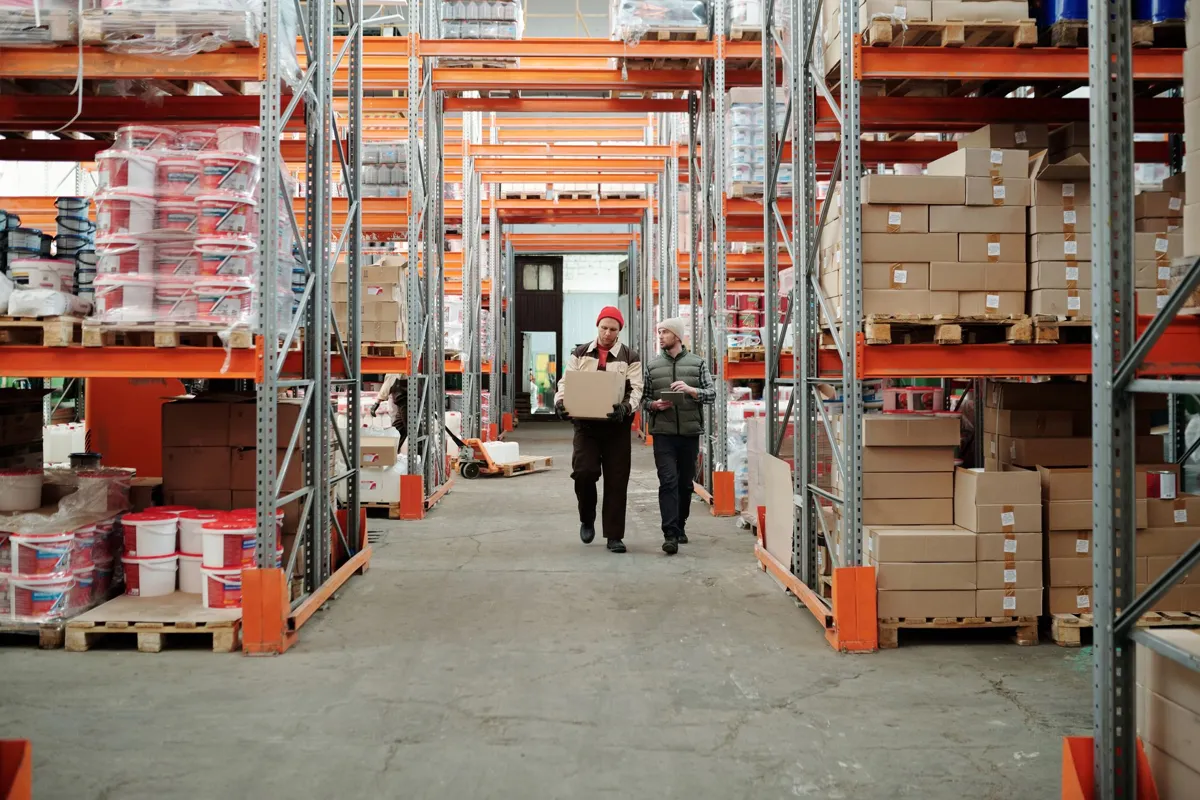
Behind every product on a shop shelf is someone who made it, stored it in a warehouse and delivered it to the retailer. For the retailer, that partner is a supplier. If you are opening an online shop, café or small manufacturing business, its success often depends on choosing the right partners before you even think about advertising.
In this article, I explain what the term means, the different types of supplier, how suppliers differ from manufacturers and distributors, how to find a supplier in Azerbaijan, and what to look for when choosing one.
What is a supplier?
A supplier is an individual or legal entity that provides goods, raw materials or services to another business or person. The root of the word is «supply», which means «provide, prepare». The English counterpart is “supplier” or “vendor”, and the synonym in Azerbaijani is “supplier”.
A supplier is always one link in a chain: they provide goods to a buyer, who either processes them or sells them to the end customer. For example, a company delivering coffee beans to a café, a workshop making clothes for an online shop, or a firm providing office cleaning services all fulfil this role.
What is the difference between a supplier, manufacturer and distributor?
Supplier is a broad term: if a manufacturer or distributor supplies you with goods, they are acting as your supplier. The difference lies in where they sit in the supply chain.
| Role | What it does | Sells to |
|---|---|---|
| Manufacturer | Makes the product | Distributor, wholesaler and sometimes retailer directly |
| Distributor | Buys in bulk from the manufacturer and distributes goods across a region | Wholesaler and retailer |
| Wholesaler | Buys goods in bulk and sells them in smaller quantities | Shops, cafés and small businesses |
| Retailer | Sells goods to the end customer | End customer |
The closer you are to the manufacturer in the supply chain, the lower the price is likely to be, but minimum order quantities and risk increase.
What types of supplier are there?
- Manufacturer. Prices are lowest, but minimum order quantities are high. A good choice if you want products made under your own brand (private label).
- Distributor or wholesaler. Prices are a little higher, but you can buy smaller quantities and get faster delivery. This is often the most convenient option for a new business.
- Importer. Brings in goods from abroad and handles customs and certification.
- Dropshipping supplier. The retailer holds no stock: they take the order, and the supplier ships the goods directly to the customer. I explain how the model works in my article what is dropshipping .
- Service provider. Provides services rather than goods, such as logistics, cleaning, IT or advertising.
Suppliers can also be grouped by location. A local supplier can deliver quickly, and you can meet in person if a problem arises. An overseas supplier is often cheaper, but delivery takes longer and customs costs may apply.
What is a supply chain?
A supply chain is the full journey a product takes, from raw materials to the end customer, and all the people and businesses involved along the way. It includes raw material suppliers, manufacturers, warehouses, carriers, distributors and retailers. If one link is delayed, everyone is affected. That is why large companies manage their suppliers as a system rather than one by one.
How to find a supplier in Azerbaijan
- Wholesale markets and shopping centres. At wholesale centres in Baku, you can see products in person and discuss prices.
- Trade fairs. Industry trade fairs are a good way to meet manufacturers and distributors directly.
- International B2B platforms. Alibaba and similar platforms list thousands of manufacturers. Check how long a seller has been on the platform, their reviews and whether they have verified status.
- Recommendations and professional networks. Ask business owners in the same industry who are not your competitors. Industry groups on LinkedIn can also be useful.
- Search engines and social media. Many local wholesalers do business through Instagram and WhatsApp.
If you are looking for a supplier for an online shop, first decide what you plan to sell. I outline the steps for choosing a product in my article product research .
How to choose the right supplier
The cheapest offer may not be the best value. Consider these seven criteria when choosing a supplier:
- Quality. Order a sample first and inspect it yourself. The product you receive may differ from the one shown in the photos.
- Price and total cost. Add delivery, customs, packaging and return costs to the product price. To calculate your margin accurately, read about margins and pricing article.
- Minimum order quantity (MOQ). A large initial order ties up your cash in stock.
- Delivery time and reliability. If your supplier delivers late, your customers may hold you responsible.
- Payment terms. Payment may be made in full or in part upfront, or after the sale. Terms may become more flexible as the relationship develops.
- Documentation. If the supplier is a legal entity, check its taxpayer identification number, whether it can issue invoices, and whether it has the required certificates for the products.
- Communication. How quickly and clearly do they answer your questions? You should know who to contact if a problem arises.
What should a supplier contract include?
- An accurate product description, quality standards and packaging requirements.
- Price, currency and the terms under which prices can change.
- Delivery date and location, and liability for delays.
- Payment method and deadline.
- How defective goods can be returned or replaced.
- Contract term and termination conditions.
Having a lawyer review a high-value contract before you sign is inexpensive insurance.
Common mistakes when working with suppliers
- Relying entirely on one source. If they stop supplying you, your business stops too. Have a backup source for key products.
- Placing a large order without a sample. You may not be able to return a batch if you have not checked its quality first.
- Focusing only on price. A supplier that is cheap but delivers late or provides inconsistent quality can cost you more in the end.
- Relying on a verbal agreement. If a dispute arises and the terms were not put in writing, you may have no evidence to support your case.
Conclusion
A supplier is a business partner that provides goods, raw materials or services. Manufacturers, distributors and wholesalers are different types of supplier. The right partner is chosen based on quality, reliable delivery, clear terms and communication, not price alone. Start with a sample, put the terms in writing and keep a backup source.
Once you have found a source, you need traffic to sell your products. If you want to run Facebook and Instagram advertising systematically, Meta ads management service.
Frequently asked questions
Is it the same thing as the supplier?
Yes. In everyday language, both terms are used to mean a party that provides goods or services. The English equivalent is «supplier».
What does «supplier» mean?
Supplier means an English supplier. This term is used on international B2B platforms and foreign contracts.
What is MOQ?
MOQ (minimum order quantity) is the smallest order a seller will accept. For example, «MOQ 500 units» means orders of fewer than 500 units will not be accepted.
What is the difference between a supplier and a distributor?
A distributor is one type of supplier: they buy in bulk from a manufacturer and distribute the goods to retailers in a particular region. Supplier is the broader term for any party that provides you with goods.
Which supplier is right for a small business?
A local wholesaler or distributor is often a good fit when you are starting out: minimum order quantities are lower, delivery is faster and it is easier to discuss any problems. Once sales become more consistent, you can work directly with a manufacturer to reduce costs.
Topic: Dropshipping: posts in this topic →

About the author
Tural Rəhimov
Digital Marketing Manager: UM Azerbaijan
Digital marketing manager at Universal McCann (UM Azerbaijan). Experienced in Google Ads, Meta Ads, TikTok Ads and media planning. I help brands grow online.
More about me →Need digital marketing support for your business?
Let's talk: I can help with everything from strategy to ad management.